Environmental Impact
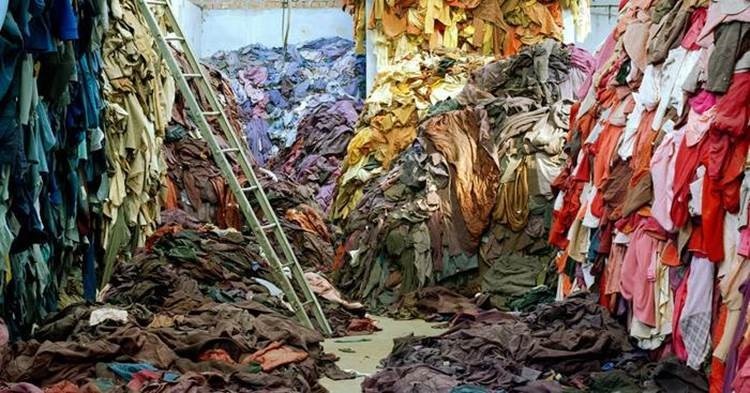
Resource Depletion :
Textile manufacture demands a large quantity of resources, including water, energy, and raw materials such as cotton, polyester, and leather. Excessive output leads to resource depletion.
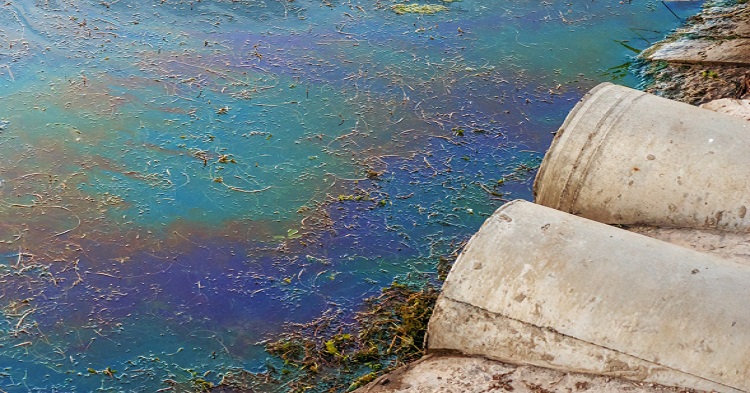
Pollution :
Chemicals, dyes, and finishing agents used in textile production can damage streams and soil. The emission of hazardous chemicals can harm the environment and human health.
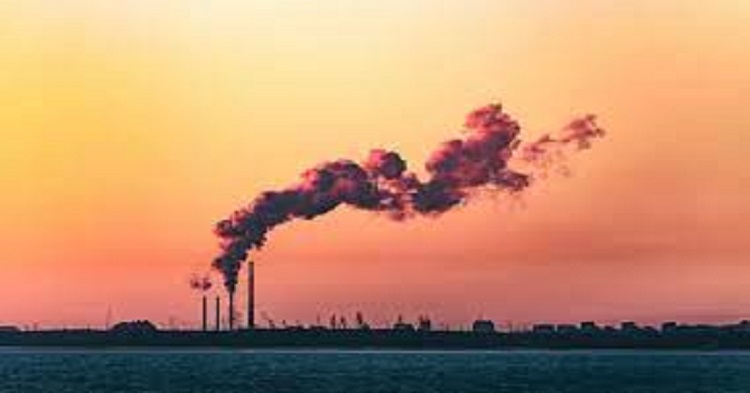
Greenhouse Gas :
Due to energy-intensive processes such as manufacturing, transportation, and retail operations, the fashion business contributes significantly to greenhouse gas emissions.
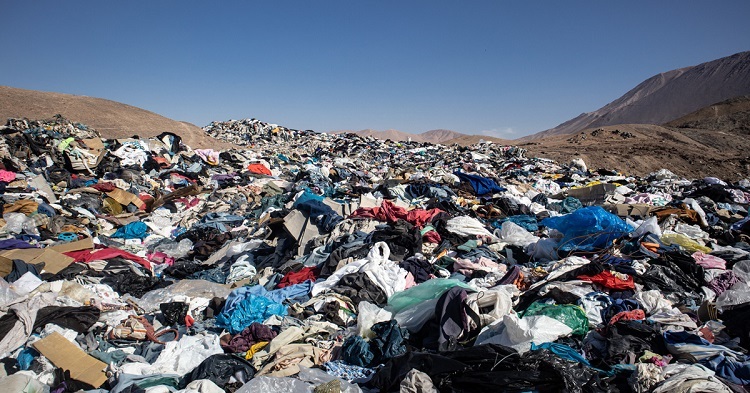
Landfill Waste :
Discarded garments and accessories frequently wind up in landfills due to overproduction, short lifecycles, consumer behavior, and a lack of biodegradability, contributing to a growing issue of overflowing waste sites.